The Best Herb Season of the Year Is Right Now
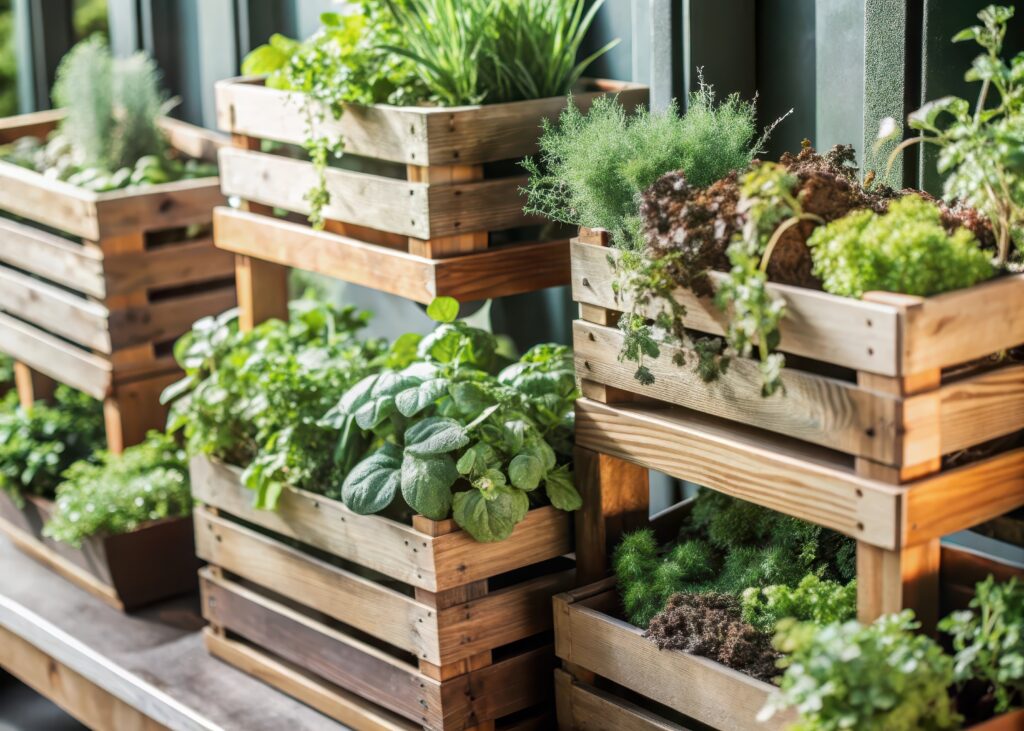
Something happens to herbs in early May that doesn’t quite repeat at any other point in the year. The plants that spent March and April establishing roots and building structure suddenly hit their stride — producing leaves that are tender, intensely aromatic, and more flavorful than anything that will come later in summer when heat pushes them toward flowering and bitterness. Chives are thick and oniony. Mint is vivid and cool. Parsley has a grassy sharpness that dried parsley never approximates. Dill is feathery and anise-sweet. Basil seedlings, just transplanted outdoors in the warming soil, smell like summer is about to begin.
This is the window to cook with herbs not as garnish but as ingredient — as the main event rather than the finishing touch. The recipes below treat spring herbs with the prominence they deserve right now, while they’re at the peak of what they’ll be all year.
Chive and Goat Cheese Scrambled Eggs
Chives are the first herb of spring, pushing up from the ground almost as soon as the soil thaws, and they are at their most intensely oniony in early May before heat mellows them. Scrambled eggs are the simplest and most honest vehicle for showcasing them — the mild richness of eggs amplifies the chive flavor rather than competing with it.
The key to scrambled eggs worth making is low heat and patience. Crack four eggs per person into a bowl, add a pinch of salt, and whisk briefly — just until the yolks and whites combine. Melt a generous knob of butter in a nonstick pan over the lowest heat that will still cook the eggs. Add the eggs and stir constantly with a rubber spatula, moving them slowly around the pan. Pull the pan off the heat every 30 seconds or so to slow the cooking. When the eggs are just barely set — still slightly glossy and soft — remove from heat entirely and stir in two tablespoons of soft goat cheese per person and a large handful of freshly snipped chives. The residual heat will finish the cooking and melt the cheese.
Serve immediately on toast, with more chives scattered on top.
Why now: Chives cut fresh from the garden this morning are categorically different from chives purchased at the grocery store. If you grow them — and they are among the easiest herbs to grow — this is their moment.
Herbed Green Goddess Dressing
Green goddess dressing, made with whatever combination of fresh herbs you have available, is one of the most useful things you can make in May. It works as a salad dressing, a dip for raw vegetables, a sauce for grilled chicken or fish, or a spread on sandwiches. It takes ten minutes and uses a large quantity of herbs — ideal for using up an abundant harvest before heat pushes plants to bolt.
Combine in a blender or food processor: half a cup of mayonnaise, a quarter cup of sour cream or Greek yogurt, the juice of one lemon, one small garlic clove, a large handful each of fresh parsley and chives, a smaller handful of fresh tarragon if you have it, salt, and black pepper. Blend until smooth and very green. Taste and adjust seasoning — it should be bright, herby, and slightly sharp from the lemon. Add more herbs if you have them; this dressing can handle a significant quantity.
The dressing keeps refrigerated for up to five days, during which time it gets slightly better as the flavors integrate.
Why now: The combination of parsley, chives, and tarragon in early May produces a more vivid, complex dressing than any other time of year. Summer heat pushes these herbs toward bitterness that changes the flavor profile entirely.
Mint and Pea Crostini
This simple appetizer or light lunch captures two of early May’s best flavors — fresh mint and sweet spring peas — in a format that takes about fifteen minutes and looks significantly more impressive than it is.
Toast thin slices of baguette until golden. While still warm, spread each piece with a thin layer of ricotta. In a small bowl, combine one cup of fresh or thawed frozen peas with a handful of fresh mint leaves, torn roughly, the zest of half a lemon, a drizzle of olive oil, and a pinch of flaky salt. Mash roughly with a fork — you want texture, not a smooth paste — and taste for seasoning. Spoon the pea mixture generously over the ricotta toasts and finish with a few drops of good olive oil and another pinch of flaky salt.
Serve within 20 minutes of assembly, while the bread is still slightly warm and the pea mixture is fresh.
Why now: Fresh mint in early May is at its most vivid before summer heat brings out the more medicinal notes that develop later in the season. The combination with sweet spring peas is one of those pairings that tastes precisely like a specific moment in the year.
Dill-Butter Roasted Salmon
Dill and salmon is one of the most reliable flavor pairings in the kitchen, and early May dill — feathery, intensely aromatic, and not yet gone to seed — makes it better than it ever is with dried or late-season herbs. This preparation is simple enough for a weeknight and good enough for company.
Bring a salmon fillet to room temperature for 20 minutes. While it rests, make the dill butter: mash together four tablespoons of softened butter with three tablespoons of finely chopped fresh dill, the zest of one lemon, a small minced garlic clove, and a pinch of salt.
Place the salmon skin-side down on a foil-lined sheet pan. Spread the dill butter generously over the top. Roast at 400°F for 12 to 15 minutes, depending on thickness, until the fish flakes easily at its thickest point but is still slightly translucent in the center. Let rest two minutes before serving.
The butter melts over the fish during roasting, basting it in herb flavor and keeping it moist. Serve with lemon wedges and additional fresh dill scattered over the top.
Why now: Fresh dill has a grassy, slightly anise brightness that dried dill cannot replicate. In early May, before plants bolt and develop seeds, the flavor is at maximum intensity. This is the version of this dish worth making.
Parsley-Walnut Pesto
Standard basil pesto is a summer staple, but basil isn’t quite ready yet in most of the country in early May. Parsley pesto fills that gap beautifully — it has a brighter, more assertive flavor than basil pesto, pairs well with pasta, roasted vegetables, and grilled meat, and uses the abundant flat-leaf parsley that is at peak production right now.
Combine in a food processor: two packed cups of flat-leaf parsley leaves (stems removed), half a cup of toasted walnuts, two garlic cloves, the juice of half a lemon, half a teaspoon of salt, and a generous amount of black pepper. Pulse until roughly chopped. With the motor running, drizzle in half a cup of good olive oil until the pesto comes together. Add a quarter cup of grated Parmesan and pulse briefly to combine. Taste and adjust salt, lemon, and garlic.
Use immediately tossed with pasta and a splash of pasta water, or store under a thin film of olive oil in the refrigerator for up to a week.
Why now: Parsley in early May is at its most vibrantly flavored before summer heat arrives. The walnut base is slightly more robust than pine nuts, which stands up well to parsley’s assertiveness.
Let the Garden Lead
The best cooking in May follows what’s growing rather than what a recipe requires. If your chives are overflowing, make the eggs. If mint is taking over its container, make the crostini and add mint to everything else. If parsley is abundant, make pesto and put it on everything for a week.
Herbs reward the cook who pays attention to what they’re doing right now — and what they’re doing right now, in early May, is being better than they’ll be at any other point in the year.