April’s First Haul Is Worth Celebrating
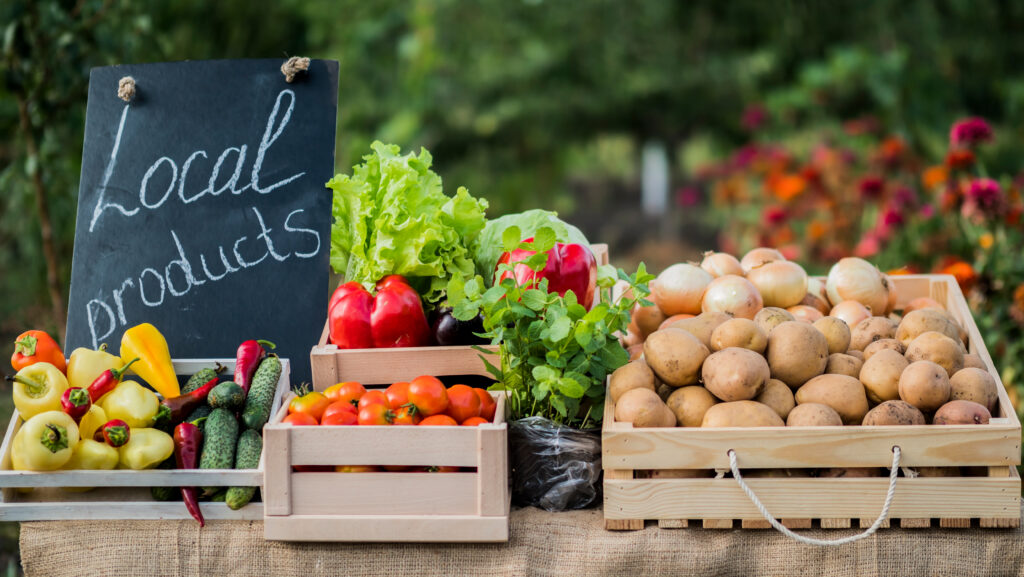
The farmers market in early April looks nothing like it did in February. Where root vegetables and storage crops dominated the tables through winter, April brings the first genuine flush of the growing season: tender greens, radishes, green onions, herbs, and the early crops that thrive in cool, damp spring weather. It’s a brief window — some of these vegetables peak in April and are gone before May is over, replaced by the longer-season produce of late spring and summer.
Cooking what’s actually at the market right now, at its seasonal peak, is one of the simplest ways to eat well. These recipes are built around what you’re likely to find at an early April market across most of the country, and they’re designed to let the produce do the work.
Spring Green Frittata
Frittatas are the perfect vehicle for early spring greens — flexible enough to use whatever combination you bring home, substantial enough for a weekend breakfast or a light dinner, and genuinely better with vegetables that are fresh and tender rather than the heartier greens of winter.
For an early April frittata, look for a mix of whatever tender greens are available: spinach, arugula, baby kale, watercress, or any combination. Green onions or ramps — the wild leeks that appear at markets for just a few weeks in early spring — add sweetness and depth. Fresh herbs, particularly chives and flat-leaf parsley, are at their most vivid right now.
Whisk eight eggs with a quarter cup of whole milk, a generous pinch of salt, and black pepper. In a 10-inch oven-safe skillet, warm two tablespoons of butter over medium heat and sauté a bunch of sliced green onions until soft, about three minutes. Add three to four cups of loosely packed greens and cook just until wilted. Pour the egg mixture over the top and cook undisturbed until the edges are set, about four minutes. Transfer to a 375°F oven and bake until the center is just set, eight to ten minutes. Scatter fresh herbs and crumbled feta or goat cheese over the top before serving.
Why now: Tender spring greens wilt beautifully into eggs in a way that older, tougher greens can’t match. The flavor is mild, grassy, and fresh — exactly what this dish needs.
Radish and Butter Crostini
Radishes are one of the first crops ready each spring, and the French have long known the best thing to do with them: serve them simply, with good butter and flaky salt, on crusty bread. It sounds too simple to be worth making, but the combination of peppery radish, rich butter, and salt on a piece of toasted bread is one of the most satisfying things you can put in front of guests.
Slice a baguette on the bias and toast the slices until golden. While still warm, spread each piece generously with good-quality softened butter — this is not the moment for margarine or low-fat substitutes. Lay two or three thin radish slices on top, finish with a pinch of flaky sea salt, and scatter a few fresh chive pieces over the top if you have them.
Serve immediately, while the bread is still warm and the butter hasn’t fully absorbed. The contrast between the warm, crunchy bread, the cold crisp radish, and the rich butter is the entire point.
Why now: Radishes in April are mild, crisp, and juicy in a way that those grown in summer heat aren’t — hotter weather makes them pithy and sharp. This simple preparation deserves the best radishes of the year.
Spring Pea and Mint Pasta
If fresh peas are available at your market — either shelled or in the pod — this pasta showcases them at their sweetest. Frozen peas work well when fresh aren’t available, but fresh spring peas have a starchy sweetness that’s genuinely different and worth seeking out for the few weeks they’re available.
Cook a pound of linguine or spaghetti in well-salted boiling water until just al dente. While the pasta cooks, warm three tablespoons of olive oil in a wide pan over medium heat and sauté two minced garlic cloves until fragrant. Add two cups of fresh or frozen peas and cook two to three minutes until just tender and bright green. Add a quarter cup of pasta water and the drained pasta to the pan and toss everything together over medium heat. Remove from heat and finish with the juice of half a lemon, a generous handful of grated Parmesan, a handful of fresh mint leaves torn roughly, and a drizzle of good olive oil. Taste for salt and add more pasta water if needed to loosen the sauce.
Why now: Spring peas and mint are one of the classic seasonal pairings for good reason — both peak at the same time and taste like the season itself. The dish is light enough for a warm April evening but substantial enough that you won’t miss the meat.
Roasted Carrots with Carrot Top Gremolata
April is an excellent time to find bunched carrots with their tops still attached — a sign of freshness that supermarket carrots rarely offer. The tops are edible and, used like an herb, make a bright, slightly bitter gremolata that transforms roasted carrots from a side dish into something worth centering a meal around.
Trim the tops from a bunch of carrots and set aside. Halve the carrots lengthwise if thick, toss with olive oil, salt, and pepper, and roast at 425°F on a sheet pan for 20 to 25 minutes until caramelized and tender.
While the carrots roast, make the gremolata: finely chop a generous handful of carrot tops (tender leaves only, not the tough stems), a clove of garlic, and the zest of one lemon. Mix together and season with a pinch of salt. When the carrots come out of the oven, scatter the gremolata over the top immediately and finish with a squeeze of lemon juice.
Why now: Bunched spring carrots are sweeter and more tender than the storage carrots available all winter. The gremolata uses what would otherwise be discarded and adds a brightness that winter root vegetable preparations rarely have.
Strawberry and Spinach Salad with Poppy Seed Dressing
The first local strawberries of the season are a genuine event. They bear little resemblance to the large, pale, flavorless berries shipped year-round from industrial operations — they’re smaller, deeply red all the way through, and so sweet and fragrant that they barely need anything done to them.
When the first local strawberries arrive at your market, this salad is the right way to honor them. Layer a large bowl with baby spinach or tender mixed greens. Slice a pint of strawberries and scatter them over the greens along with thin-sliced red onion, crumbled goat cheese, and a handful of candied or toasted pecans.
For the dressing, whisk together three tablespoons of white wine vinegar, two tablespoons of honey, one teaspoon of Dijon mustard, half a teaspoon of poppy seeds, a pinch of salt, and a quarter cup of neutral oil. Dress the salad lightly just before serving.
Why now: Local spring strawberries have a sweetness and intensity that makes this salad taste like something special rather than something routine. The same recipe made with off-season berries is a different dish entirely.
Go to the Market First, Then Decide What to Cook
The best spring cooking starts at the market rather than with a recipe. Walk through once without buying anything — see what looks most vibrant, what the farmers are most excited about, what’s piled highest because it came in abundance this week. Then cook around what you find.
April’s market offerings change week by week as the season accelerates. What’s exceptional this Saturday may be gone by May, replaced by something new. The recipes above are guides, not rules — substitute freely based on what’s actually in front of you. The season’s best cooking is always a response to what the weather and the soil produced, not what a recipe written months ago expected to find.