The Satisfying Sound of a Winter Walk
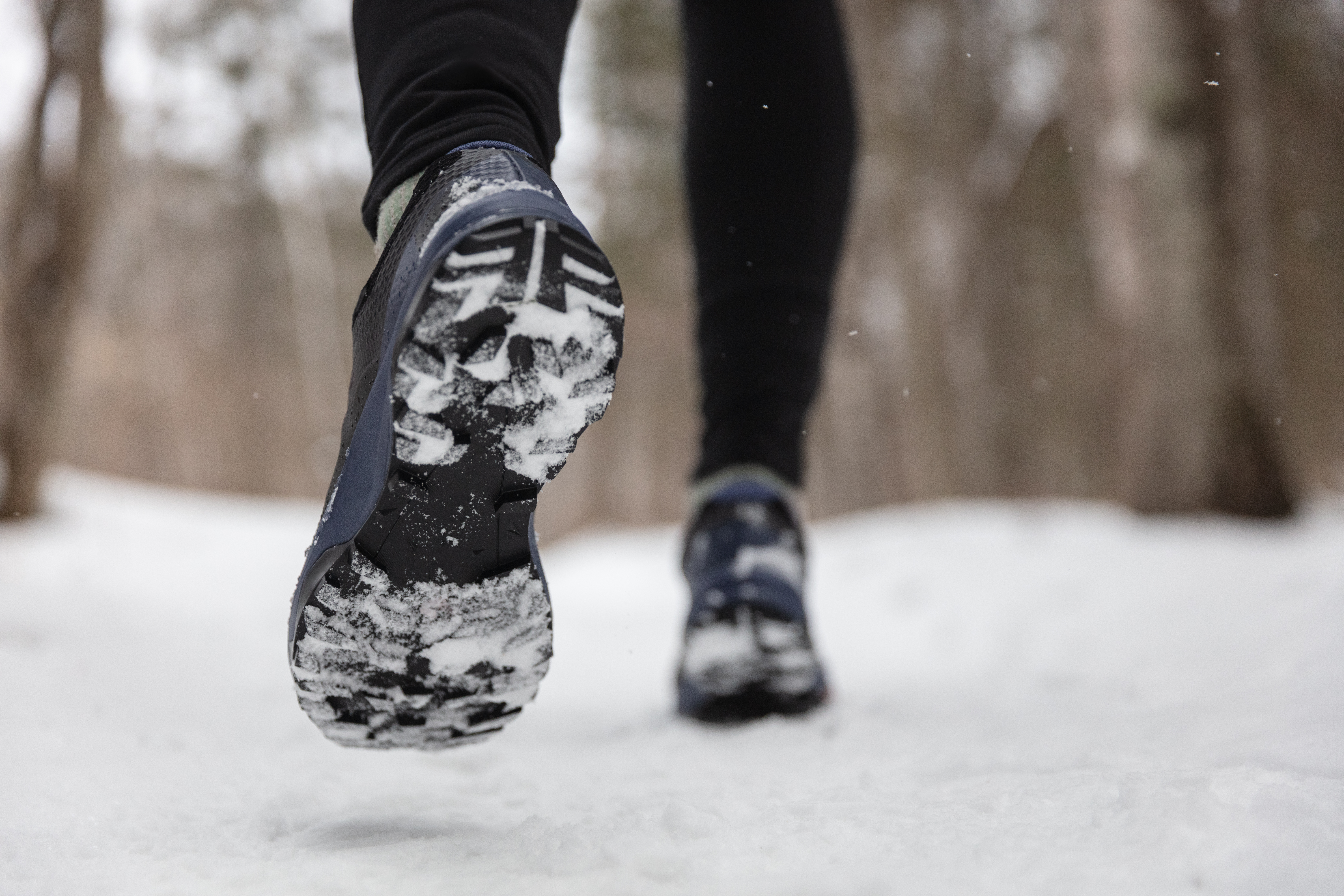
Anyone who’s walked through fresh snow on a cold day knows the distinctive crunching sound each footstep makes. It’s one of winter’s most recognizable sensory experiences—a crisp, squeaking crunch that changes in pitch and volume depending on temperature and snow conditions. On particularly cold days, the snow almost squeaks beneath your boots. On warmer days near freezing, footsteps make a softer, wetter sound with less crunch.
This changing soundscape isn’t your imagination. The sounds snow makes when you walk on it result from the physical properties of ice crystals and how they respond to pressure and temperature. Understanding why snow crunches reveals fascinating details about ice structure, fracture mechanics, and how temperature affects the behavior of frozen water.
Snow Is Really Millions of Tiny Ice Crystals
Fresh snow isn’t solid ice—it’s a loose network of individual ice crystals (snowflakes) that have settled on top of each other with lots of air space between them. This structure makes snow incredibly light and fluffy compared to solid ice. Fresh snow can be 90-95% air by volume, which is why it’s such good insulation and why a foot of snow contains much less water than you might expect.
The ice crystals in snow have complex, branching shapes with delicate arms and intricate structures. These crystals rest against each other at many contact points, creating a somewhat stable but fragile three-dimensional lattice. Air fills the spaces between crystals, giving snow its white appearance—light bounces between crystal surfaces rather than passing straight through as it would through clear ice.
When you step on snow, your weight compresses this airy structure, forcing crystals closer together and eliminating air pockets. This compression doesn’t happen silently—it involves breaking thousands of delicate ice crystal bonds and fracturing crystal structures.
The Crunch Is the Sound of Breaking Ice
The crunching sound you hear when walking on snow is literally the sound of ice crystals breaking. Each footstep applies enough pressure to fracture countless tiny ice crystals and snap the bonds where crystals connect to their neighbors.
Ice is brittle at cold temperatures, meaning it fractures rather than bends when stress is applied. When an ice crystal breaks, it releases energy in the form of vibrations—sound waves. A single crystal breaking produces a tiny sound far too quiet to hear, but when thousands or millions of crystals fracture simultaneously under your boot, the combined sounds become audible as that characteristic crunch.
The breaking happens in microseconds as pressure waves move through the snow from your foot. First the crystals directly under your boot fracture, then the compression spreads outward and downward, breaking more crystals in a cascading failure. All of these individual fracture events merge into the single crunching sound you perceive.
Temperature Dramatically Changes the Sound
The crunching sound is loudest and most pronounced when temperatures are well below freezing—typically below 14°F (-10°C). At these cold temperatures, ice becomes more brittle and fractures more cleanly, producing sharper, louder breaking sounds.
Very cold snow produces the characteristic high-pitched squeak that almost sounds like Styrofoam being compressed. This happens because the extremely brittle ice at low temperatures creates many small, sharp fractures that produce higher-frequency sound waves. The colder it gets, the higher pitched and squeakier the sound becomes.
As temperatures approach freezing, ice becomes less brittle and slightly more plastic—meaning it can deform a bit without fracturing as completely. Warmer snow compresses with less dramatic breaking, producing softer, lower-pitched sounds or sometimes almost no sound at all. Near freezing, there may also be a thin layer of liquid water on crystal surfaces, which acts as a lubricant and dampens sound production.
This is why the same snow can sound completely different on a 5°F morning versus a 30°F afternoon. The ice crystals themselves have changed their mechanical properties based on temperature, altering how they respond to pressure and what sounds they make when breaking.
Snow Age and Density Matter Too
Fresh, fluffy snow that just fell produces the loudest, most satisfying crunches because the crystal structure is still intact and delicate. The crystals have sharp edges, intricate branching patterns, and numerous fragile contact points—all of which create opportunities for fracturing and sound production.
Older snow has often undergone temperature cycling, partial melting and refreezing, or compaction from wind or previous traffic. These processes round off the sharp crystal edges, reduce the air content, and create more solid bonding between crystals. The result is denser, more consolidated snow that crunches less dramatically or makes different sounds.
Very old, dense snow that’s been compacted for weeks or months becomes more like solid ice with far less air content. Walking on this snow produces less crunching and more of a dull compression sound because there are fewer delicate crystal structures to break—you’re compressing solid ice rather than fracturing an airy crystal network.
Crusted snow—where the surface has melted slightly and refrozen into a harder layer—produces a different sound altogether. Your first step might break through the crust with a sharp crack, then subsequent compression of the softer snow underneath creates the familiar crunch.
The Sound Changes as You Walk
Pay attention next time you walk through snow and you’ll notice the sound of each footstep isn’t identical. The first few steps into undisturbed snow often sound the loudest and crunchiest because you’re encountering the pristine crystal structure. Subsequent steps in the same area compress snow that’s already been partially broken down, producing softer sounds.
Walking in your own footprints produces different sounds than walking on fresh snow because you’ve already fractured many crystals and compressed the air pockets. The snow has been pre-stressed and consolidated by your previous passage.
The speed at which you walk also affects the sound. Slow, deliberate steps allow the compression and fracturing to happen gradually, sometimes producing a drawn-out creak or squeak. Quick steps create more rapid compression and sharper, more abrupt crunch sounds.
Why Some Snow Doesn’t Crunch at All
Not all snow produces satisfying crunches. Wet, heavy snow near or above freezing often makes little sound beyond a soft compression noise. This happens for several reasons.
First, the ice crystals in wet snow have a thin layer of liquid water on their surfaces. This water acts as a cushion and lubricant, allowing crystals to slide past each other rather than fracturing cleanly. The mechanical energy of your footstep is absorbed by this water layer rather than going into breaking ice bonds.
Second, wet snow is already relatively dense and consolidated compared to cold, dry snow. There’s less air to compress out and fewer delicate crystal structures to break. The snow behaves more like a cohesive, deformable mass than a network of individual crystals.
Very fresh snow that’s still falling can also be nearly silent to walk through if it hasn’t had time to settle and bond. The crystals are so loosely connected that your foot simply pushes them aside rather than fracturing them, similar to walking through loose powder.
The Physics of Squeaking Snow
The highest-pitched snow sounds—the squeaks that occur at very cold temperatures—deserve special attention. These sounds result from a phenomenon called stick-slip friction combined with the brittle fracture of ice at low temperatures.
When your boot presses down on extremely cold snow, the ice crystals fracture in rapid succession, creating a series of tiny “slip” events as your boot moves through the snow. Each slip produces a small vibration, and when these vibrations occur at the right frequency—typically several hundred to a few thousand times per second—they create audible squeaking.
The colder the temperature, the more brittle the ice becomes, and the more regular and rapid these fracture events become. This creates the higher-frequency squeaks characteristic of walking on snow in extreme cold. Some people describe this as sounding similar to walking on Styrofoam, and the physics is somewhat analogous—both involve regular, repeated breaking of a brittle structure.
Snow Sounds and Avalanche Safety
Understanding snow sounds has practical applications beyond satisfying curiosity. Mountaineers and backcountry skiers pay attention to the sounds snow makes because certain sounds can indicate dangerous conditions.
A hollow, drumming sound when walking on snow can indicate a weak layer beneath the surface—a warning sign for potential avalanches. Loud “whumpfing” sounds, where the snow suddenly settles with an audible thump, indicate that a weak layer has collapsed, which is a serious avalanche red flag.
Conversely, consistent crunching sounds from cold, stable snow generally indicate safer conditions, though sound alone is never sufficient for assessing avalanche danger. Professional avalanche forecasters use multiple indicators including snow layering, weather conditions, and terrain features.
A Sensory Connection to Winter Physics
The crunching sound of snow underfoot is one of those everyday phenomena that becomes more interesting when you understand the science behind it. Every crunch is the sound of thousands of microscopic ice structures failing under pressure, each crystal’s fracture contributing to the chorus that signals winter to your brain.
Next time you walk through fresh snow on a cold day, take a moment to appreciate that the satisfying crunch beneath your boots is winter revealing its physics—ice crystals demonstrating their brittleness, temperature displaying its influence on material properties, and your own weight conducting a symphony of microscopic fractures. It’s science you can hear with every step, a reminder that even simple sensory experiences connect us to the complex physical processes constantly at work in the natural world.