Understanding What Makes Snow Packable, Powdery, or Impossible to Work With
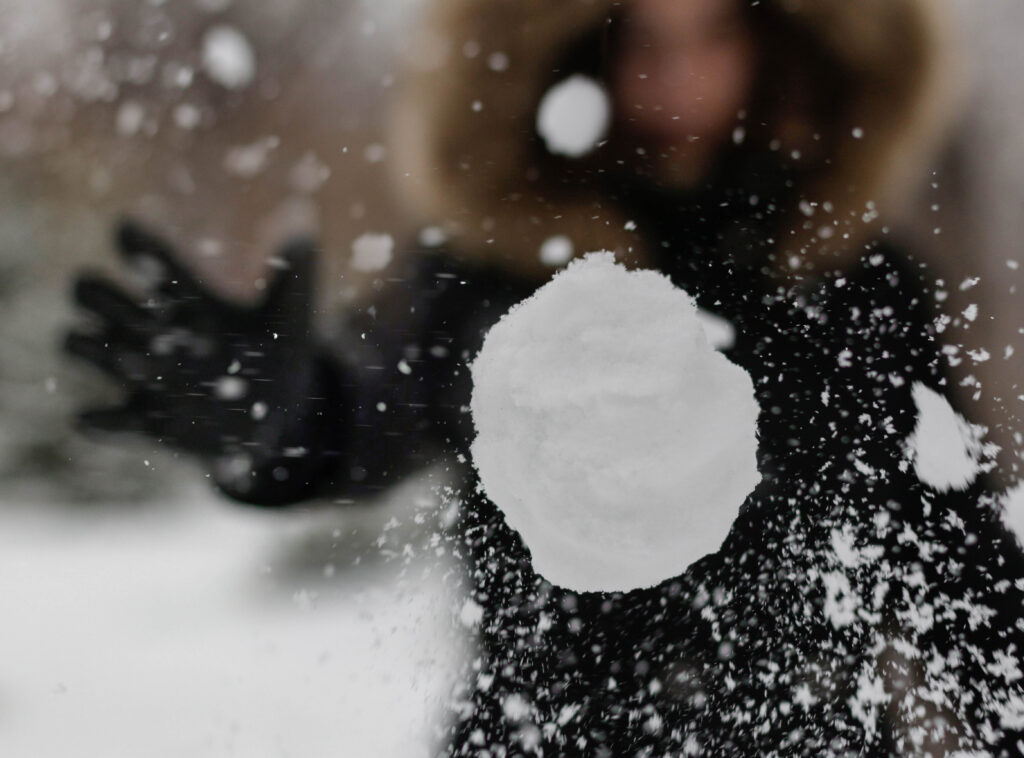
Every kid who’s tried to make a snowball has encountered the frustration: some snow packs perfectly into dense, throwable spheres, while other snow crumbles uselessly or won’t stick together at all. The same variability affects snowman building, igloo construction, and any activity requiring snow to hold a shape. This isn’t random—snow’s packability depends on specific physical properties determined by temperature, crystal structure, moisture content, and the history of the snow since it fell. Understanding what makes “good” snowball snow reveals the physics of ice bonding, the role of liquid water films, and why snow’s behavior changes so dramatically with seemingly small shifts in conditions.
Temperature Determines Everything
Snow temperature is the single most important factor in packability:
Snow near 32°F (0°C) packs beautifully because it’s at or very close to its melting point. Pressure from squeezing causes a thin layer of liquid water to form between snow grains, and when pressure releases, this water refreezes, bonding the snow together.
This pressure melting occurs because ice has an unusual property—applying pressure lowers its melting point slightly. When you squeeze snow, the pressure creates tiny amounts of liquid water even when temperature is below freezing.
The liquid water acts as glue, filling gaps between ice crystals and freezing into solid bonds when pressure is released.
Snow at 25-32°F is ideal for snowballs and snowmen—cold enough to maintain structure but warm enough for pressure melting to create strong bonds.
Snow below about 20°F becomes increasingly difficult to pack. It’s too cold for pressure melting to work effectively—you can compress the snow but can’t create the liquid water film needed for strong bonding.
Very cold snow (below 10°F) is essentially unpacked powder no matter how hard you squeeze. The crystals remain separate, crumbling apart immediately when pressure is released.
This explains why early season snow in October or November (often near freezing) makes great snowballs while January deep-freeze snow (well below freezing) won’t pack at all.
Moisture Content and Wet vs. Dry Snow
Beyond temperature, the amount of liquid water in snow affects packability:
Dry snow contains little or no liquid water. Individual ice crystals are separate, creating the light, fluffy “powder” snow that skiers love but that won’t hold together for snowballs.
Moist snow has a small amount of liquid water coating ice crystals—enough to promote bonding without making the snow slushy. This is optimal snowball snow.
Wet snow contains substantial liquid water—so much that it’s transitioning from snow to slush. While this packs easily, it’s heavy, messy, and lacks the structural integrity of properly moist snow.
The transition from dry to moist to wet snow occurs gradually as temperature approaches and exceeds freezing, or as solar radiation melts surface snow.
Spring snow often cycles through these phases—dry and powdery in morning shade, perfect for packing in mid-morning warmth, becoming wet slush by afternoon.
Crystal Structure and Snow Age
The shape and size of snow crystals affect how they bond:
Fresh snow with delicate, intricate crystal structures often doesn’t pack well initially because the elaborate branches prevent crystals from fitting tightly together.
Aged snow that’s undergone metamorphosis—where crystals have broken down, rounded, and simplified through sublimation and refreezing—often packs better than fresh snow at the same temperature.
Fine-grained snow with small, rounded crystals packs more efficiently than large, irregular crystals because smaller grains fit together better and present more surface area for bonding.
Graupel (snow pellets formed when supercooled water freezes onto snow crystals) creates dense, heavy snow that can pack reasonably well depending on temperature.
Depth hoar and other metamorphosed snow types with large, weak crystals pack poorly or not at all because the crystal structure doesn’t allow effective bonding.
This explains why snow that’s been on the ground for a few days sometimes packs better than fresh snow—the crystals have simplified and rounded, improving packing characteristics if temperature is appropriate.
The Sintering Process
Snow bonds through a process called sintering:
Sintering is when particles fuse together without fully melting—essentially, atomic-scale connections form between adjacent ice crystals.
Water molecules migrate across ice crystal surfaces, bonding crystals together at contact points. This happens even at temperatures below freezing, though slowly.
Pressure accelerates sintering by increasing contact between crystals and facilitating molecule migration.
Temperature affects sintering rate—closer to melting point means faster sintering. Very cold temperatures slow the process dramatically.
Time matters. Even cold snow will bond somewhat if compressed and left undisturbed for hours or days (this is how snow densifies in snowpack), but snowball-making requires immediate bonding.
The combination of pressure melting (when warm enough) and sintering (at all temperatures) creates the bonds that hold snowballs together.
Why Some Snow Makes Better Snowmen
Snowman construction requires slightly different properties than snowball making:
Larger snow quantities need to be rolled and stacked, requiring snow that bonds not just in small handfuls but in massive spheres.
Structural integrity matters more—the snow must support its own weight as snowmen are built vertically.
Ideal snowman snow is in the 28-32°F range, creating strong bonds while remaining firm enough to stack without collapsing.
Too warm (above 33-34°F) produces snow too wet and heavy—difficult to roll and prone to collapse under its own weight.
Too cold (below 25°F) won’t bond well enough to create large stable spheres or to hold spheres together when stacked.
This narrow temperature window explains why some winter days are perfect for snowman building while others produce only frustration despite abundant snow.
The “Squeaky Snow” Phenomenon
Very cold, dry snow makes a distinctive squeaking sound when walked on or compressed:
The squeak comes from ice crystals fracturing and rubbing together as they’re compressed.
Each crystal breaks makes a tiny sound, and millions breaking simultaneously create the characteristic squeak or chirp.
This only happens when snow is cold and dry—typically below 20°F. Warmer, moister snow compresses silently as the liquid water film lubricates crystal movement.
Squeaky snow is essentially announcing that it’s too cold for good snowball making. The squeak is evidence that crystals are fracturing rather than bonding—opposite of what you need for packable snow.
Regional and Climate Differences
Different climates produce different typical snow characteristics:
Maritime climates (Pacific Northwest, coastal regions) often produce wetter, heavier snow that packs easily because temperatures typically hover near freezing during snow events.
Continental climates (Great Plains, northern Rockies) often produce drier, colder snow that resists packing because temperatures are typically well below freezing during snowfall.
High altitude snow is often cold and dry regardless of latitude, making it excellent for skiing but poor for snowballs.
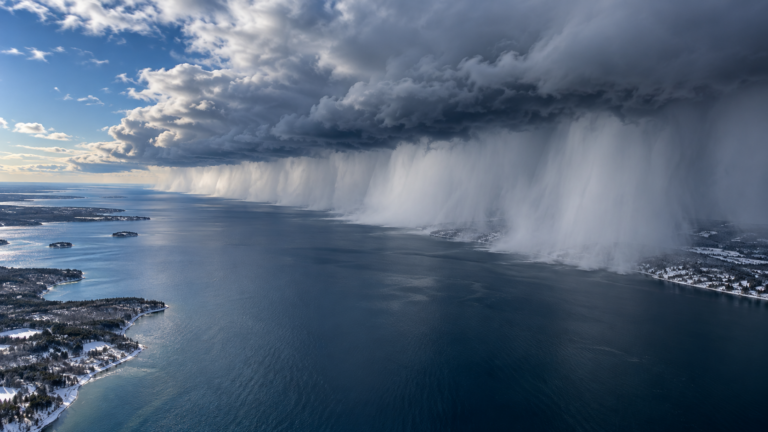
Lake-effect snow characteristics vary—it can be relatively wet near the lake source or quite dry if it’s formed in extremely cold air.
Children growing up in different climates learn different “normal” snow behavior—Pacific Northwest kids might assume all snow packs easily while Minnesota kids might rarely encounter packable snow.
The Science of the Perfect Snowball
To make the perfect snowball:
Choose your snow. Look for snow at 28-32°F—check shaded areas if warming sun has made open areas too wet, or sunlit areas if everything else is too cold.
Compress firmly but not excessively. You want to bring crystals into contact and create bonding, but over-compression can squeeze out too much water or break bonds.
Work quickly when conditions are marginal. The warmth of your hands helps with cold snow but harms warm snow that’s bordering on too wet.
Start with a small handful, rolling it to add more snow and create smooth spherical shape. The rolling action compacts snow more effectively than hand squeezing alone.
For snowball fights, slightly colder snow (26-30°F) makes firmer, more throwable projectiles than very warm snow (31-32°F) which can be too soft and fall apart in flight.
Using Snow Characteristics for Weather Clues
Snow consistency tells you about atmospheric conditions:
Easily packed snow indicates temperatures near freezing, suggesting marginal conditions where snow might transition to rain or where travel conditions might worsen.
Dry, powdery snow indicates cold conditions and likely dry atmospheric conditions, suggesting temperature well below freezing and stable winter weather.
Heavy, wet snow warns of temperatures right at or slightly above freezing, high moisture content, and potential for snow loading on trees and structures.
Changes in snow consistency during a storm indicate temperature changes—starting wet and transitioning to dry suggests cooling, while the reverse suggests warming.
Why Snow Changes Over Time
Snow doesn’t maintain constant consistency after falling:
Temperature cycling transforms snow. Daytime warming and nighttime refreezing create crust layers and change crystal structure.
Wind breaks down delicate crystals, creating more uniform fine-grained snow that may pack differently.
Sublimation and vapor transport within snowpack change crystal size and shape over days and weeks.
Settling and compaction from the weight of new snow create layers with different properties.
Old snow on the ground might be completely different from new snow falling on top, creating a layered snowpack where each layer has unique characteristics.
The Bottom Line
Whether snow packs into snowballs depends primarily on temperature—cold enough to remain solid but warm enough for pressure melting to create bonding—with secondary effects from moisture content, crystal structure, and snow age. That magical temperature range around 28-32°F creates conditions where squeezing snow produces the thin liquid water film that acts as glue, refreezing into bonds that hold your snowball together.
When kids complain that “the snow is no good,” they’re not being picky—they’re observing real physical differences in snow properties that make it either pack beautifully or crumble uselessly despite looking identical. Temperature has pushed the snow outside that narrow window where ice crystals will bond effectively, and no amount of squeezing or determination will force cold, dry powder or warm, soupy slush to behave like properly consistent snowball snow.
Next time you encounter snow, try making a snowball as an immediate temperature test. If it packs easily, you’re in that ideal 28-32°F range. If it crumbles, it’s too cold. If it’s slushy and heavy, it’s too warm. Your hands and the snow’s response give you more accurate temperature information than any thermometer about conditions right where you’re standing—and tell you whether today is a good day for snowball fights or whether you’ll need to wait for weather to shift into that magical packing range where frozen water briefly becomes sculptable, throwable, stackable art.