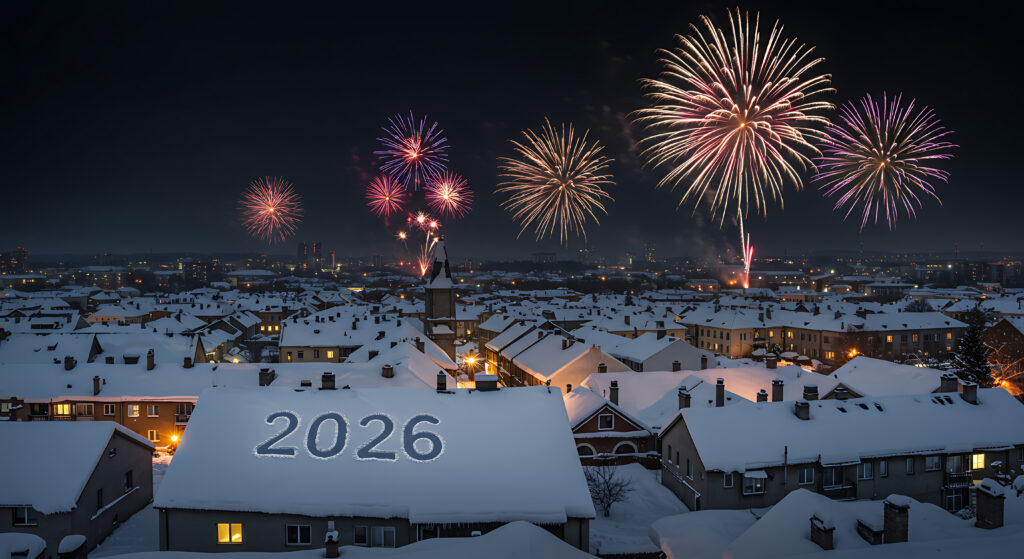
Planning Your Outdoor Countdown in Any Conditions
New Year’s Eve brings millions of people outdoors at midnight to celebrate, whether watching fireworks, gathering in city squares, or toasting with neighbors. But December 31st weather varies dramatically depending on where you are—from balmy 70°F evenings to bitter sub-zero conditions. Understanding how weather affects outdoor celebrations helps you plan safely and comfortably, ensuring your New Year starts off right rather than with hypothermia, heatstroke, or a ruined party.
The Temperature Lottery of December 31st
New Year’s Eve weather in North America spans an enormous range. Miami typically sees temperatures in the 70s, perfect for outdoor celebrations. Meanwhile, Minneapolis often experiences readings below zero with dangerous wind chills. Cities like New York, Chicago, and Denver fall somewhere in between, with conditions varying wildly from year to year.
Historical data shows December 31st temperatures have ranged from below -20°F in northern cities during Arctic outbreaks to above 80°F in southern locations during unusually warm years. This unpredictability means checking the forecast—not just assuming “typical” winter weather—is essential for planning.
Even within the same city, New Year’s Eve conditions vary dramatically year to year. Times Square has seen everything from single-digit temperatures with dangerous wind chills to mild 50°F evenings where revelers barely needed jackets.
Cold Weather Celebrations: What to Know
If you’re ringing in the New Year in cold conditions, proper preparation makes the difference between memorable celebration and miserable suffering:
Dress in layers for extended outdoor time. Standing relatively still while waiting for midnight is very different from walking or other activities. Your body generates less heat when stationary, so you’ll feel colder than the same temperature would feel during a winter walk. Wear an extra layer beyond what you’d choose for a short outdoor errand.
Protect extremities. Fingers, toes, ears, and nose lose heat rapidly. Insulated gloves, warm boots with thick socks, and hats covering your ears are essential when temperatures drop below freezing. Consider hand and toe warmers if you’ll be outside for hours in very cold conditions.
Watch for frostbite warning signs. Numbness, tingling, or color changes in exposed skin indicate developing frostbite. If you notice these symptoms, get inside immediately to warm up. Don’t wait until midnight if your body is telling you it’s too cold.
Limit alcohol consumption. Alcohol dilates blood vessels and impairs your judgment about cold. What feels comfortable after a few drinks might actually be dangerous. Alcohol makes you more vulnerable to hypothermia, not less, despite the warming sensation it creates.
Have a warm backup location. If your outdoor celebration becomes uncomfortable, know where you can go to warm up. This is especially important if you’re with children or elderly family members more vulnerable to cold.
Check wind chill, not just temperature. A 25°F evening with calm winds is very different from 25°F with 20 mph gusts creating wind chill near 10°F. Wind dramatically increases heat loss and can make outdoor celebrations genuinely dangerous.
Warm Weather Considerations
Celebrating in warm climates presents different challenges:
Stay hydrated. Outdoor parties in warm weather, especially with alcohol consumption, can lead to dehydration. Drink water throughout the evening, not just at midnight.
Sun exposure during day. If your celebration starts before sunset, remember that late December sun can still cause sunburn, particularly in southern latitudes or at higher elevations. Apply sunscreen if you’ll be outside during daylight hours.
Thunderstorm potential. Some regions experience unsettled weather patterns around New Year’s, with warm, humid conditions potentially spawning thunderstorms. Check radar before and during outdoor events, and have an indoor backup plan.
Insects. In warm climates, mosquitoes and other insects remain active. Use insect repellent if celebrating outdoors in tropical or subtropical locations.
Weather Impact on Fireworks Displays
Many cities host fireworks at midnight, and weather significantly affects these displays:
High winds can cause fireworks cancellations or delays. Strong winds make it difficult to safely launch shells and can push debris into spectator areas. Wind also disperses smoke and light effects, reducing visual impact.
Rain affects both the display and viewer comfort. Light rain might proceed as planned, but heavy rain often forces cancellations. Viewers need rain gear or shelter if staying outside.
Low clouds and fog can obscure fireworks, with shells exploding above the cloud layer where viewers can’t see them. Clear skies provide the best viewing experience.
Extreme cold can affect fireworks equipment and delay shows while technicians work with cold-stiffened materials and electronics.
Lightning in the area requires immediate cancellation for safety. Fireworks technicians won’t work near thunderstorms.
Check with event organizers about weather contingency plans before making travel arrangements to fireworks displays.
Crowd and Transportation Considerations
Weather affects not just personal comfort but logistics of large gatherings:
Snow and ice can make travel to celebration sites dangerous and reduce public transportation reliability. If winter weather is forecast, plan extra travel time and have backup transportation options.
Extreme cold can reduce ride-sharing availability as fewer drivers venture out. Plan ahead or arrange designated drivers.
Road conditions deteriorate during active precipitation. If you’re traveling to celebrations, monitor road condition reports and be prepared for delays or detours.
Public transit may run on modified schedules or experience weather-related delays. Check schedules ahead of time rather than assuming normal service.
Indoor-Outdoor Hybrid Strategies
The smartest approach for uncertain weather often involves flexible plans:
Venues with indoor and outdoor spaces let you adapt to conditions. Start outside if pleasant, retreat inside if weather deteriorates.
Rooftop or covered areas provide open-air atmosphere with weather protection.
Nearby backup locations. Know where indoor venues are if outdoor celebrations become uncomfortable. Having a Plan B prevents disappointment if weather doesn’t cooperate.
Layered clothing that’s easy to remove lets you adapt as conditions change. Arriving overdressed is better than being cold and miserable.
Special Considerations for Children
If celebrating with kids:
Children lose body heat faster than adults and are more vulnerable to both cold and heat. Dress them warmer than you dress yourself in cold conditions.
Shorter attention spans mean children may become uncomfortable with weather before adults notice problems. Watch for signs they’re too cold or hot and be ready to adjust plans.
Earlier “midnight” celebrations for young children (celebrating at 9 PM or 10 PM) might allow avoiding the coldest part of evening.
Indoor alternatives should always be available. Don’t force children to endure uncomfortable conditions just to maintain adult celebration plans.
Making Weather-Informed Decisions
Check the detailed forecast several days before New Year’s Eve, then again the day of:
Temperature at 11 PM through 12:30 AM specifically, not just the daily high and low.
Wind speed and direction, which dramatically affect how cold temperatures feel.
Precipitation timing and type—rain, snow, or mix—and when it’s expected.
Wind chill values if temperatures will be below freezing with significant wind.
Any weather warnings or advisories for your area.
Armed with this information, you can make informed decisions about clothing, location, and backup plans.
Start the Year Comfortably
New Year’s Eve only comes once a year, and you want to remember it for the celebration, not for being miserably cold, soaking wet, or otherwise weather-miserable. A few minutes spent checking forecasts and planning accordingly ensures you’ll be comfortable at midnight, ready to toast the new year rather than desperately seeking warmth or shelter.
Whether you’re braving sub-zero temperatures in Times Square or enjoying balmy evening breezes in Miami, respecting weather conditions and preparing appropriately makes your celebration safer and more enjoyable. The new year will arrive regardless of weather—make sure you’re comfortable enough to properly welcome it.