Separating Real Animal Behavior from Weather Myths
For centuries, people have watched animals for clues about approaching weather. Cows lying down supposedly mean rain is coming. Squirrels gathering extra nuts predict harsh winters. Birds flying low signal storms ahead. But how much truth exists behind these beliefs? While some animal behaviors do respond to atmospheric changes, many popular weather-predicting claims are pure folklore with no scientific basis.
Animals That Actually Sense Weather Changes
Some animals genuinely respond to atmospheric conditions in ways that can indicate approaching weather:
Birds and barometric pressure: Many birds are sensitive to changes in air pressure. As pressure drops before storms, birds often fly lower to the ground where air pressure is slightly higher and breathing is easier. They may also feed more actively before storms, stocking up on food when foraging will be difficult. These behaviors can signal incoming bad weather hours before it arrives.
Migrating birds are particularly attuned to weather patterns and often delay migration or seek shelter when major storms approach. Scientists have documented birds altering flight paths or landing early when atmospheric conditions indicate dangerous weather ahead.
Insects and humidity: Many insects respond dramatically to humidity changes. Ants may relocate colonies to higher ground before heavy rains, sensing moisture changes in soil. Bees often return to hives and reduce foraging activity when storms approach. Crickets chirp faster in warm weather and slower in cold, with their chirping rate correlating closely enough to temperature that you can estimate degrees Fahrenheit by counting chirps.
Frogs and amphibians: Frogs often croak more loudly before rain, responding to increased humidity that makes their skin more comfortable and signals good breeding conditions. While this doesn’t predict rain with certainty, increased frog activity often coincides with approaching moisture.
Livestock behavior: Cattle and horses do sometimes behave differently before weather changes, becoming restless or seeking shelter before storms. However, this likely reflects their sensitivity to dropping pressure and changing wind patterns rather than any mystical forecasting ability. They’re reacting to current atmospheric changes, not predicting future conditions days in advance.
The Science Behind Animal Weather Sensitivity
Animals that legitimately respond to weather aren’t “predicting” in the way humans forecast—they’re reacting to physical changes already occurring in the atmosphere:
Barometric pressure changes affect animals with sensitive respiratory systems or air-filled body structures. Birds have air sacs throughout their bodies that make them particularly sensitive to pressure variations.
Humidity shifts affect animals that regulate body moisture through their skin or rely on specific moisture levels for comfort and survival.
Electromagnetic changes during thunderstorm development may be detected by some animals. Studies suggest certain animals might sense the electromagnetic fields associated with approaching storms.
Infrasound—very low-frequency sound waves that travel long distances—may alert some animals to distant storms or weather systems. Elephants, whales, and possibly other animals detect infrasound humans can’t hear.
These physiological responses to current conditions give animals a “nowcast” of what’s happening atmospherically, allowing them to seek shelter or adjust behavior. But it’s not fortune-telling—it’s reacting to measurable physical changes.
Weather Myths That Don’t Hold Up
Many popular animal weather beliefs lack scientific support:
Cows lying down before rain: Cows lie down for many reasons—rest, digestion, because the ground is already wet—that have nothing to do with predicting weather. Multiple studies have found no correlation between cows lying down and approaching rain.
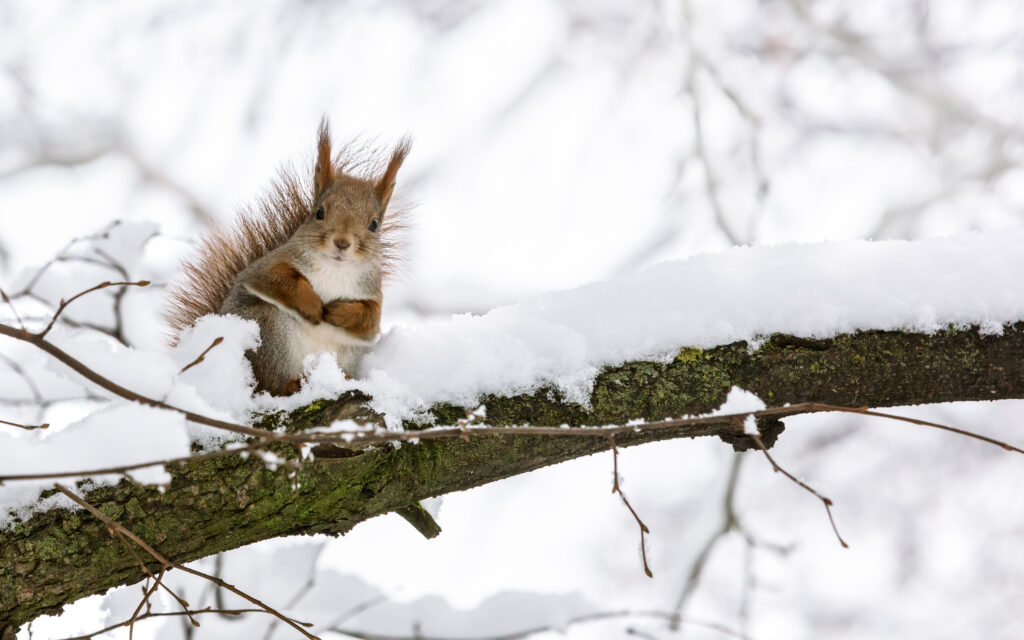
Squirrels and winter severity: The idea that squirrels gathering more nuts or growing thicker fur predicts harsh winters is folklore. Squirrels respond to current conditions like food availability and temperature, not future winter severity they couldn’t possibly know about.
Woolly bear caterpillars: The width of brown bands on woolly bear caterpillars supposedly predicts winter harshness, but this is completely false. Band width relates to the caterpillar’s age, species, and growing conditions—not upcoming winter weather.
Groundhogs and spring timing: Groundhog Day traditions are purely ceremonial. Whether a groundhog sees its shadow has zero correlation with when spring arrives. It’s fun folklore, not meteorology.
Persimmon seeds: Cutting open persimmon seeds and examining the shape inside supposedly predicts winter weather, but no scientific evidence supports this claim.
Why These Myths Persist
Weather folklore continues partly because of confirmation bias. People remember times when animal behavior seemed to predict weather accurately and forget the numerous times it didn’t. A cow lying down shortly before rain seems significant, while the dozens of times cows lie down without subsequent rain are ignored.
Before modern meteorology, people relied on any available clues to anticipate weather. Observing nature was practical survival strategy, and some genuine patterns got mixed with coincidence and superstition, creating folklore passed through generations.
These stories also provide comfort and connection to nature. There’s something appealing about the idea that animals possess wisdom about natural patterns humans have lost touch with.
Animals That Genuinely Help Scientists
Modern meteorology does occasionally use animal behavior as supplementary data:
Honeybees are being studied for their collective decision-making about weather. Researchers have found hives make remarkably accurate “decisions” about when to forage based on upcoming conditions.
Sharks and marine animals have helped scientists track hurricanes. Sharks often move to deeper water before hurricanes arrive, responding to pressure changes and wave action that indicate dangerous conditions.
Birds tracked with GPS and other technology provide data about wind patterns, storm systems, and atmospheric conditions at various altitudes.
But these are scientific observations using technology to measure and understand animal responses—not relying on folklore or casual observation.
A Healthy Perspective
Appreciating that some animals genuinely respond to atmospheric changes doesn’t mean accepting every folk belief about animal weather prediction. The key is distinguishing between:
Real responses to current conditions: Birds flying low because pressure has already dropped, insects seeking shelter because humidity indicates imminent rain.
Mythical long-range predictions: Squirrels supposedly knowing winter severity months in advance, caterpillar bands forecasting seasonal weather.
Animals live intimately connected to their environment and respond to subtle changes humans often miss. This makes them fascinating to observe and occasionally useful for understanding current conditions. But they’re not fortune-tellers, and treating folklore as fact can lead to poor decisions when real weather threatens.
The Best Forecaster
Modern weather forecasting using satellites, radar, computer models, and professional meteorologists provides far more accurate and reliable predictions than any animal observation. A five-day forecast from the National Weather Service is more trustworthy than any amount of squirrel-watching or caterpillar-examining.
That said, there’s nothing wrong with appreciating animal behavior as one small piece of understanding your local environment. Noticing birds feeding frantically might prompt you to check the forecast. Seeing livestock seeking shelter might make you look up at gathering clouds. Animals can remind us to pay attention to weather cues we might otherwise miss.
Just don’t cancel outdoor plans because a groundhog saw its shadow, and definitely don’t ignore severe weather warnings because your dog seems calm. When it comes to protecting life and property, trust the meteorologists with their technology and training—not folklore about cows, caterpillars, or furry rodents.