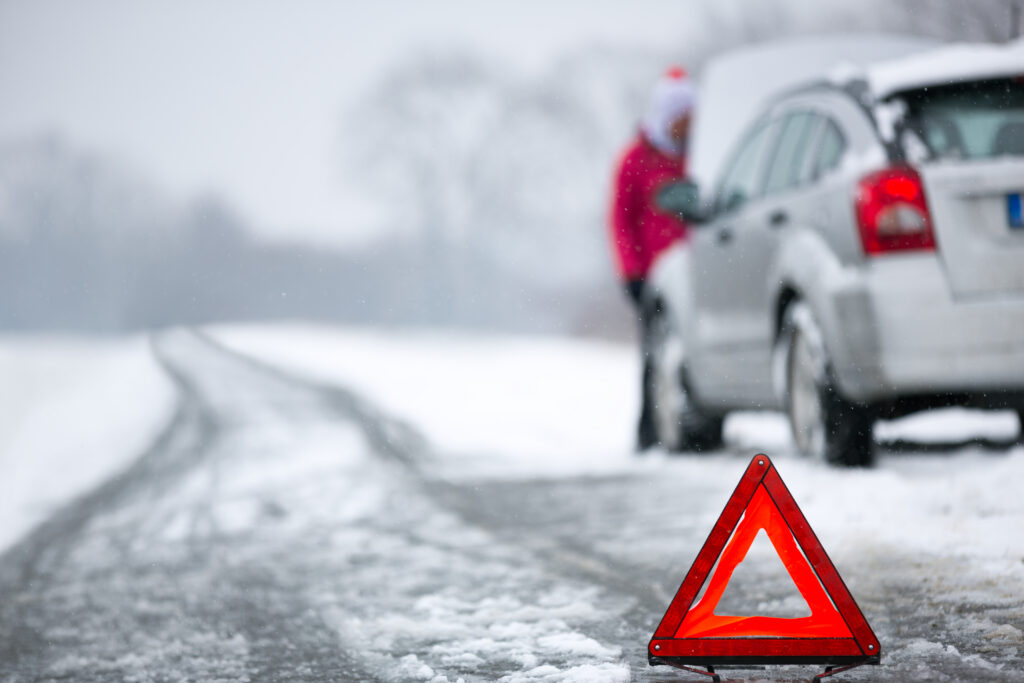
Understanding the Chemistry Behind Dead Batteries on Frigid Mornings
You wake up on a brutally cold winter morning, get in your car, turn the key—and nothing happens except a clicking sound or sluggish cranking. A dead or dying battery on a freezing day is one of winter’s most frustrating experiences, and it happens to millions of drivers every year. Cold weather is remarkably hard on car batteries, and understanding why helps you prevent getting stranded when temperatures plummet.
Cold Slows Down Chemical Reactions
Car batteries work through chemical reactions that produce electrical energy. Inside a lead-acid battery—the type in most vehicles—chemical reactions between lead plates and sulfuric acid solution generate the electricity that starts your engine and powers your vehicle’s electrical systems.
These chemical reactions slow dramatically as temperature drops. At 32°F, a car battery loses about 35% of its strength compared to operation at 80°F. At 0°F, it loses nearly 60% of its available power.
This means the battery that worked perfectly fine in September might struggle or fail completely on a January morning, even if nothing is actually wrong with it. The cold simply prevents the chemistry from operating efficiently.
Meanwhile, your engine oil thickens in cold weather, making it harder to turn the engine over. This means your weakened battery must work even harder to start your vehicle—exactly when it has less power available. It’s a double challenge that explains why so many batteries fail on the coldest days.
Old Batteries Fail First
While cold affects all batteries, older batteries are far more vulnerable. As batteries age, the lead plates inside develop sulfation—a buildup of lead sulfate crystals that reduces the battery’s ability to hold and deliver charge.
A battery that’s three to five years old may test fine in warm weather but lack the reserve capacity to handle extreme cold. The combination of reduced chemical efficiency from cold temperatures and diminished capacity from age creates a failure threshold that gets crossed on frigid mornings.
This is why winter is known as “battery season” for automotive repair shops. Batteries that were marginally functional in fall suddenly die when temperatures drop, and drivers discover their battery has been living on borrowed time.
Parasitic Drains Compound the Problem
Modern vehicles have numerous electronic systems that draw small amounts of power even when the car is off—security systems, computers, clocks, and remote entry systems. These parasitic drains are usually insignificant, but they become problematic when combined with cold weather.
If your car sits unused for several days during cold weather, these small drains gradually deplete the already-weakened battery. A battery at 0°F with only 40% of its normal capacity can’t sustain even minor electrical loads for extended periods.
Short trips in winter also prevent proper battery recharging. Your alternator needs time—typically 20-30 minutes of driving—to fully recharge a battery after starting. If you only drive 10 minutes to work on cold mornings, the battery may not fully recover before the next cold overnight period drains it further.
Warning Signs Your Battery Is Struggling
Pay attention to these signals that your battery may not survive the next cold snap:
Slow engine cranking, especially on cold mornings, indicates the battery is losing capacity. If the engine turns over sluggishly even after the car has warmed up, the battery—not just cold weather—is likely the problem.
Dimming headlights or interior lights when starting the car suggest insufficient battery power.
Electrical issues like flickering dashboard lights or malfunctioning power accessories can indicate a weak battery struggling to supply steady voltage.
The battery is three years old or older. Age alone is a risk factor. Most car batteries last 3-5 years, with harsh climates—both hot and cold—reducing lifespan toward the lower end of that range.
Corrosion around battery terminals can increase electrical resistance, making a marginal battery situation worse.
Preventing Cold Weather Battery Failure
You can take several steps to avoid dead battery problems during winter:
Test your battery before winter arrives. Most auto parts stores offer free battery testing. If your battery tests weak or marginal in fall, replace it before cold weather exposes its limitations.
Keep battery terminals clean. Remove corrosion with a wire brush and baking soda solution. Clean connections ensure maximum electrical conductivity.
Park in a garage when possible. Even an unheated garage keeps temperatures warmer than outside, reducing stress on your battery. If you don’t have a garage, parking near a building or using a car cover can help slightly.
Use a battery maintainer if your vehicle sits unused for extended periods. These devices provide a trickle charge that prevents discharge without overcharging.
Limit short trips. When possible, combine errands to give your alternator time to recharge the battery fully.
Turn off accessories before starting. Headlights, radio, heater, and other electrical loads make the battery work harder during starting. Turn everything off, start the engine, then turn accessories back on.
Keep your battery charged. If you know extremely cold weather is coming and your car will sit unused, consider using a battery charger to bring it to full charge beforehand.
Jump-Starting Safety
If your battery does die, jump-starting can get you going—but do it safely:
Connect jumper cables in the correct order: positive to dead battery positive, positive to good battery positive, negative to good battery negative, and finally negative to a metal ground point on the dead vehicle (not the negative battery terminal).
Let the good battery charge the dead one for a few minutes before attempting to start. Start the working vehicle first if needed to increase charging power.
After successfully starting, drive for at least 20-30 minutes to allow the alternator to recharge the battery.
If your battery repeatedly dies after jump-starts, it needs replacement. Jump-starting is a temporary solution, not a fix for a failing battery.
When to Replace Rather Than Recharge
A completely dead battery can sometimes be recharged and continue functioning, but certain situations indicate replacement is necessary:
If the battery is more than three years old and has died from cold, replacement is wise. The next cold spell will likely cause failure again.
If a battery won’t hold a charge after being recharged, internal damage has occurred and replacement is required.
If the battery case is swollen, cracked, or leaking, replace it immediately—it’s damaged and potentially dangerous.
The Cost of Being Unprepared
A replacement battery costs $100-$250 depending on your vehicle. A tow truck call costs $75-$150 or more. Missing work, appointments, or flights due to a dead battery can cost far more in lost wages and opportunities.
Testing and replacing a marginal battery before winter is always cheaper and less disruptive than dealing with failure on the coldest morning of the year when you absolutely need your vehicle to start.
Don’t Let Cold Weather Catch You Off Guard
Cold weather is inevitable, but dead battery problems are largely preventable. Understanding that batteries lose significant capacity in cold temperatures—and that older batteries are especially vulnerable—helps you take proactive steps before problems occur.
A few minutes spent testing your battery in fall and replacing it if necessary can save you from the frustration, expense, and inconvenience of being stranded on a frigid morning when your car refuses to start. Winter is hard enough without adding preventable car troubles to the mix.