Embrace the Season’s Best Fruits and Vegetables
When summer ends and farmers markets thin out, it’s easy to think fresh, flavorful produce disappears until spring. But winter actually brings its own harvest of delicious fruits and vegetables—many of which taste better in cold weather than any other time of year. Understanding what’s in season during winter helps you eat better, save money, and enjoy food at its peak flavor.
Root Vegetables Shine in Winter
Root vegetables are winter stars. They store well, develop sweeter flavors after frost, and provide hearty substance for cold-weather cooking.
Carrots become sweeter in cold weather as starches convert to sugars, helping the plant resist freezing. Winter carrots have intense flavor perfect for roasting, soups, or eating raw.
Beets reach peak sweetness during cold months. Roast them whole, shred them raw into salads, or make borscht. Don’t throw away the greens—they’re delicious sautéed.
Turnips and rutabagas have a bad reputation, but winter-harvested ones are mild and sweet. Mash them like potatoes, roast them with other root vegetables, or add them to stews.
Parsnips look like white carrots but taste completely different—sweet, nutty, and earthy. They’re wonderful roasted until caramelized or pureed into soup.
Sweet potatoes are harvested in fall and available throughout winter. They’re nutritious, versatile, and naturally sweet without added sugar.
Hardy Greens Love the Cold
Many leafy greens actually prefer cold weather and taste better after exposure to frost.
Kale is at its best in winter. Cold temperatures make it sweeter and less bitter. Use it in soups, sauté it with garlic, or massage raw kale with olive oil for salads.
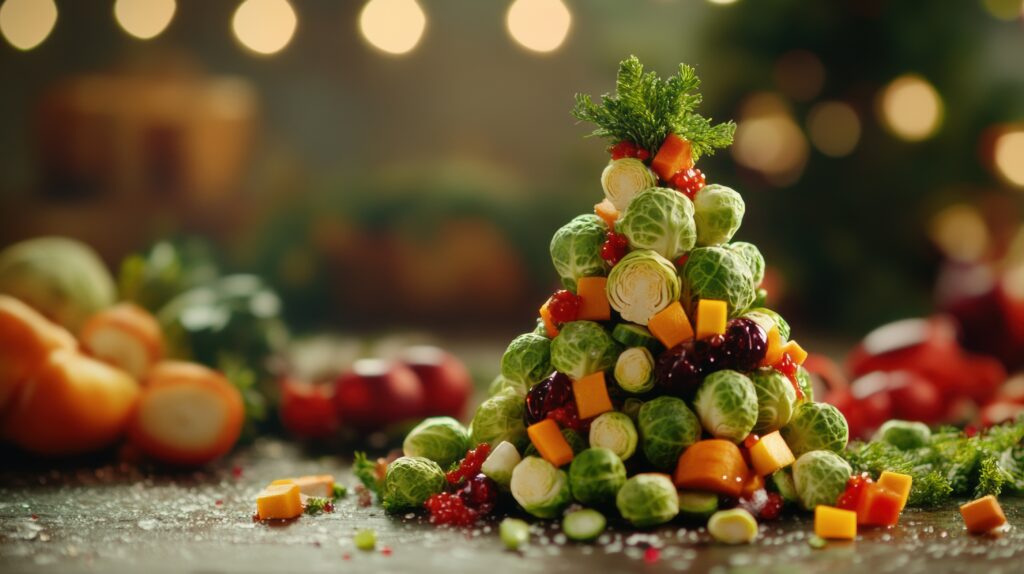
Brussels sprouts are harvested after frost, which reduces their bitterness and brings out natural sweetness. Roast them with olive oil and salt until the edges caramelize—they’re nothing like the mushy boiled versions that give them a bad name.
Cabbage stores remarkably well and is available fresh throughout winter. Red and green cabbage are perfect for coleslaw, sauerkraut, stir-fries, or slow-cooked dishes.
Swiss chard tolerates cold weather and keeps producing even when temperatures drop. Its colorful stems and tender leaves work well sautéed or added to soups and pasta dishes.
Collard greens are a Southern winter staple for good reason. They become tender and flavorful when slow-cooked and are packed with nutrients.
Winter Squash: Nature’s Storage System
Winter squash varieties are harvested in fall and store for months, providing fresh produce all winter long.
Butternut squash has sweet, nutty flesh perfect for roasting, soups, or pasta dishes. It’s easier to work with than many squash varieties and widely available.
Acorn squash can be halved and roasted with butter and brown sugar for a simple side dish, or stuffed with grains and vegetables for a main course.
Delicata squash has edible skin and sweet flesh. Cut it into rings, roast it, and eat it like fries.
Spaghetti squash shreds into pasta-like strands when cooked. It’s a popular low-carb alternative to noodles.
Kabocha squash has dense, sweet flesh similar to sweet potato. It’s popular in Japanese cooking and excellent in curries or simply steamed.
Citrus Season Arrives in Winter
While most produce struggles in cold weather, citrus thrives in winter climates and reaches peak season when you need vitamin C most.
Oranges are at their sweetest and juiciest from December through April. Navel oranges are perfect for eating fresh, while Valencia oranges are ideal for juicing.
Grapefruits reach peak season in winter. Pink and red varieties are sweeter than white grapefruit. They’re excellent for breakfast or in salads with avocado and greens.
Clementines and mandarins flood markets in winter. These easy-to-peel citrus fruits are sweet, seedless, and perfect for snacking.
Lemons and limes peak in winter and early spring. Fresh lemon juice brightens winter dishes and provides immune-supporting vitamin C.
Blood oranges have a short season from December through March. Their dramatic red flesh and raspberry-like flavor make them special.
Other Winter Standouts
Pomegranates are harvested in fall and available through winter. Their jewel-like seeds add color, crunch, and antioxidants to salads, grain bowls, and desserts.
Pears are harvested in fall but many varieties are best after storage. Winter pears are perfect for eating fresh, poaching in wine, or baking into desserts.
Apples store extremely well and many varieties improve with age. Winter is an excellent time for apples, especially for baking pies, crisps, and sauces.
Fennel is a winter vegetable with a mild anise flavor. Slice it thin for salads, roast it until caramelized, or braise it in broth.
Leeks are mild members of the onion family perfect for winter soups and braises. Use the white and light green parts, and save the dark green tops for making stock.
Shopping for Winter Produce
Buy what’s in season locally when possible. It’s fresher, tastes better, and costs less than out-of-season produce shipped from far away. Many farmers markets continue operating through winter in milder climates, and some cold-climate markets run year-round with stored crops and greenhouse items.
Look for produce that feels heavy for its size—this indicates freshness and moisture content. Avoid vegetables with soft spots, excessive bruising, or signs of mold.
Store root vegetables in a cool, dark place—not the refrigerator if possible. Most will keep for weeks under proper conditions. Store winter squash at room temperature away from direct sunlight.
Cooking with Winter Produce
Winter vegetables are perfect for roasting, which concentrates their natural sugars and creates caramelized edges. Toss cut vegetables with olive oil, salt, and pepper, then roast at 400-425°F until tender and browned.
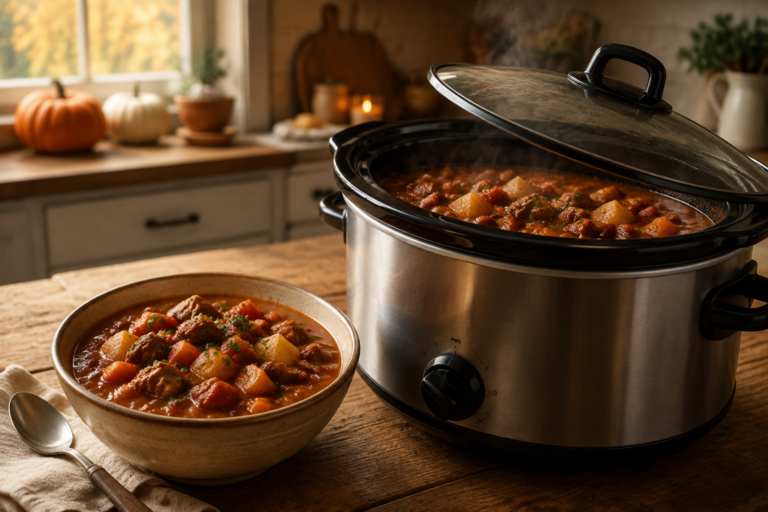
Soups and stews showcase winter produce beautifully. Root vegetables, hardy greens, and winter squash all work wonderfully in warming one-pot meals.
Don’t forget about raw preparations. Winter citrus, cabbage, fennel, and even kale make excellent fresh salads that brighten cold-weather meals.
Winter Eating Doesn’t Mean Boring Food
Embrace what winter offers instead of longing for summer tomatoes. When you cook with seasonal produce at its peak, you’ll discover that winter vegetables and fruits have unique flavors and textures that hold their own against any season’s harvest. Cold weather brings its own delicious bounty—you just have to know where to look.