Ceiling Fans Aren’t Just for Summer
Most people think of ceiling fans as a summer staple, helping to cool down a room when temperatures rise. But in fall and winter, that same fan can actually help keep your home warmer and more energy-efficient—if it’s spinning in the right direction.
Ceiling fans have a switch that changes the direction of the blade rotation. During cooler months, flipping that switch can help redistribute warm air that naturally rises to the ceiling, pushing it back down into your living space.
Why Direction Matters in Cold Weather
In winter, your ceiling fan should rotate clockwise when viewed from below, and it should run at a low speed. This creates a gentle updraft that pulls cool air upward and pushes the warmer air—trapped near the ceiling—down along the walls and back into the room.
This circulation helps maintain a more even temperature, meaning your heating system doesn’t have to work as hard to keep you comfortable. That can lead to lower energy bills and fewer hot-and-cold spots around your home.
How to Check and Adjust Your Fan
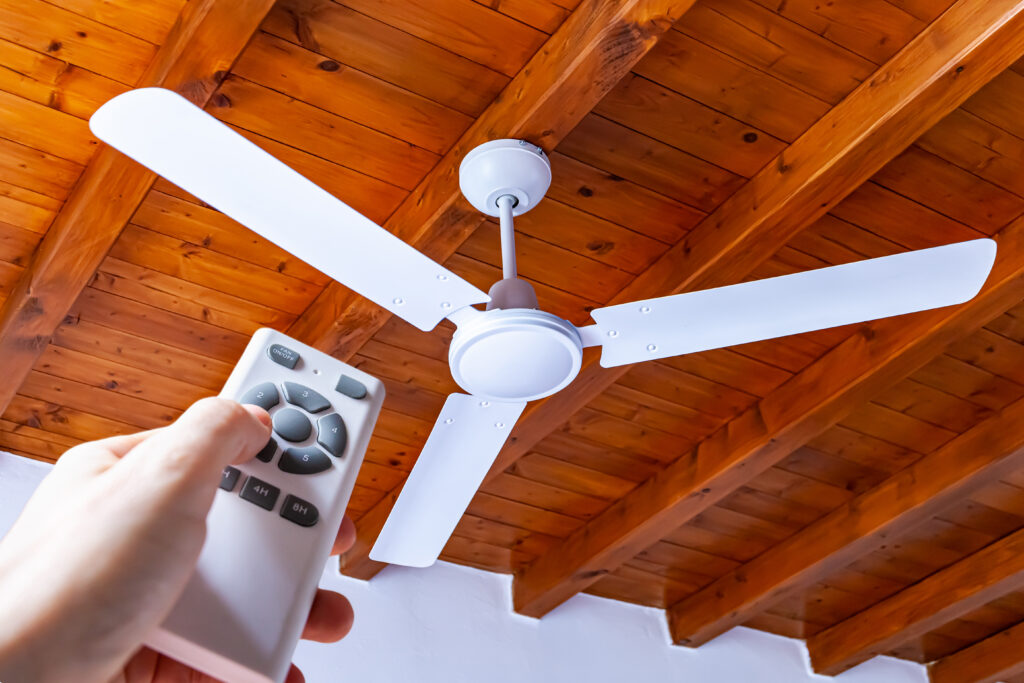
To change the direction, turn the fan off and look for a small switch on the motor housing. Flip it to change the rotation direction. Once the switch is set for clockwise movement, turn the fan back on at a low speed and stand directly beneath it. If you don’t feel a breeze, it’s working correctly.
In contrast, a counterclockwise direction is used in summer, when the goal is to create a breeze that cools you directly.
Small Change, Big Savings
Using your ceiling fan correctly in the colder months won’t replace your furnace, but it can take some of the load off—especially in rooms with high ceilings or uneven heating.
It’s a simple trick that many people overlook, yet it’s one of the easiest ways to boost comfort and reduce wasted heat as fall turns into winter.
So before you crank up the thermostat, look up—and make sure your fan is working with you, not against you.